Guide warns carbon monoxide can build up in RVs from appliances, generators and exhaust
Do It Yourself RV says RVers should keep a working CO alarm and get outside at once if they suspect exposure.

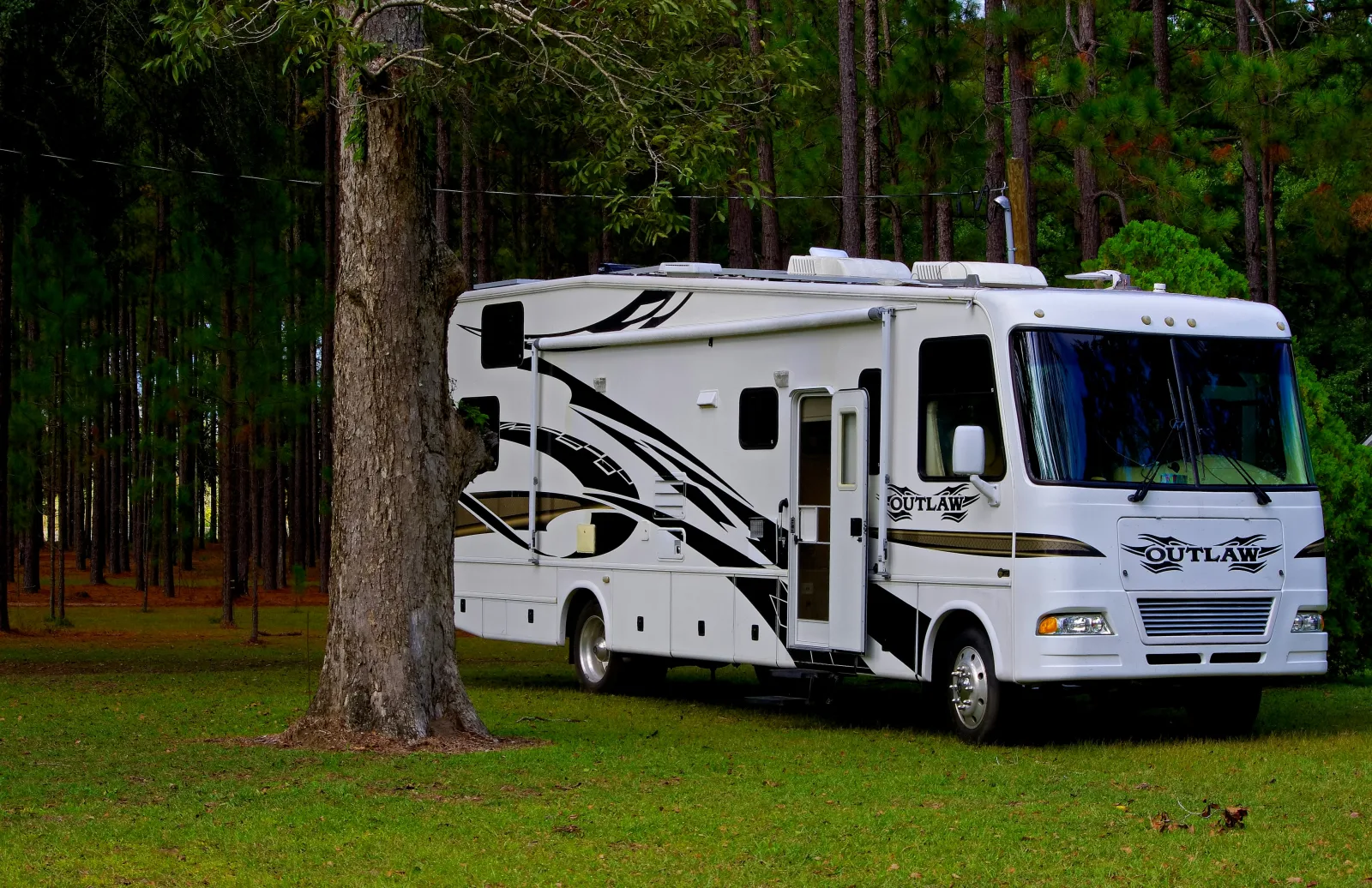
Carbon monoxide can build up inside an RV from the equipment used for heat, cooking and electricity, and exhaust from outside can also get in, according to a safety guide published by Do It Yourself RV. This story rests on that single report.
The outlet describes carbon monoxide, or CO, as a poisonous gas with no color, smell or taste. It forms when fuels such as propane, gasoline, diesel, wood and charcoal burn incompletely.
The guide advises anyone who suspects exposure to get everyone outside into fresh air and call 911. It says people should not wait for the alarm to sound or stay inside to investigate.
The risk matters because people cannot sense the gas. According to the guide, CO interferes with the blood's ability to carry oxygen, and the brain, heart and other organs can be affected before a person recognizes what is happening. Severe exposure can cause unconsciousness or death, and someone who is asleep may not notice any warning signs.
The outlet says RVers should focus on two questions: whether equipment is burning fuel properly and where its combustion gases go. A dirty burner or restricted combustion air can increase CO production in fuel-burning appliances. Engines and generators produce CO in their exhaust even when operating normally.
Some equipment poses a more direct risk, the guide says. An unvented propane heater releases its combustion gases into the living space, and the stove and oven also burn fuel inside it. Generators running on gasoline, diesel or propane can all produce CO in their exhaust. Exhaust can also come from a nearby idling vehicle.
The guide calls a working alarm an essential part of an RV's safety equipment and tells buyers to choose a listed model suitable for RV use. It warns that "a propane-only detector does not detect carbon monoxide," while combination models detect both gases.
It also says that opening windows, resetting the alarm or blowing fresh air across it does not establish that the RV is safe. Equipment that caused an exposure should be fixed before it is used again.
The guide gives no figures on how often CO exposure happens in RVs, and it does not point to any specific incident. It also does not settle a question raised by one reader, who wrote in a comment that their alarm went off twice while boondocking with the generator running, both times in the rain. The cause of those alarms is not known.